Cornwall · the seabed · the rules
Tin, the sea floor and who decides what happens to both.
How Cornish tin was won, whether it lies on the seabed, how deep-sea mining is governed, who licenses work in UK waters, and what tin is for. Each figure traced to the page that publishes it.
Start with Cornish tin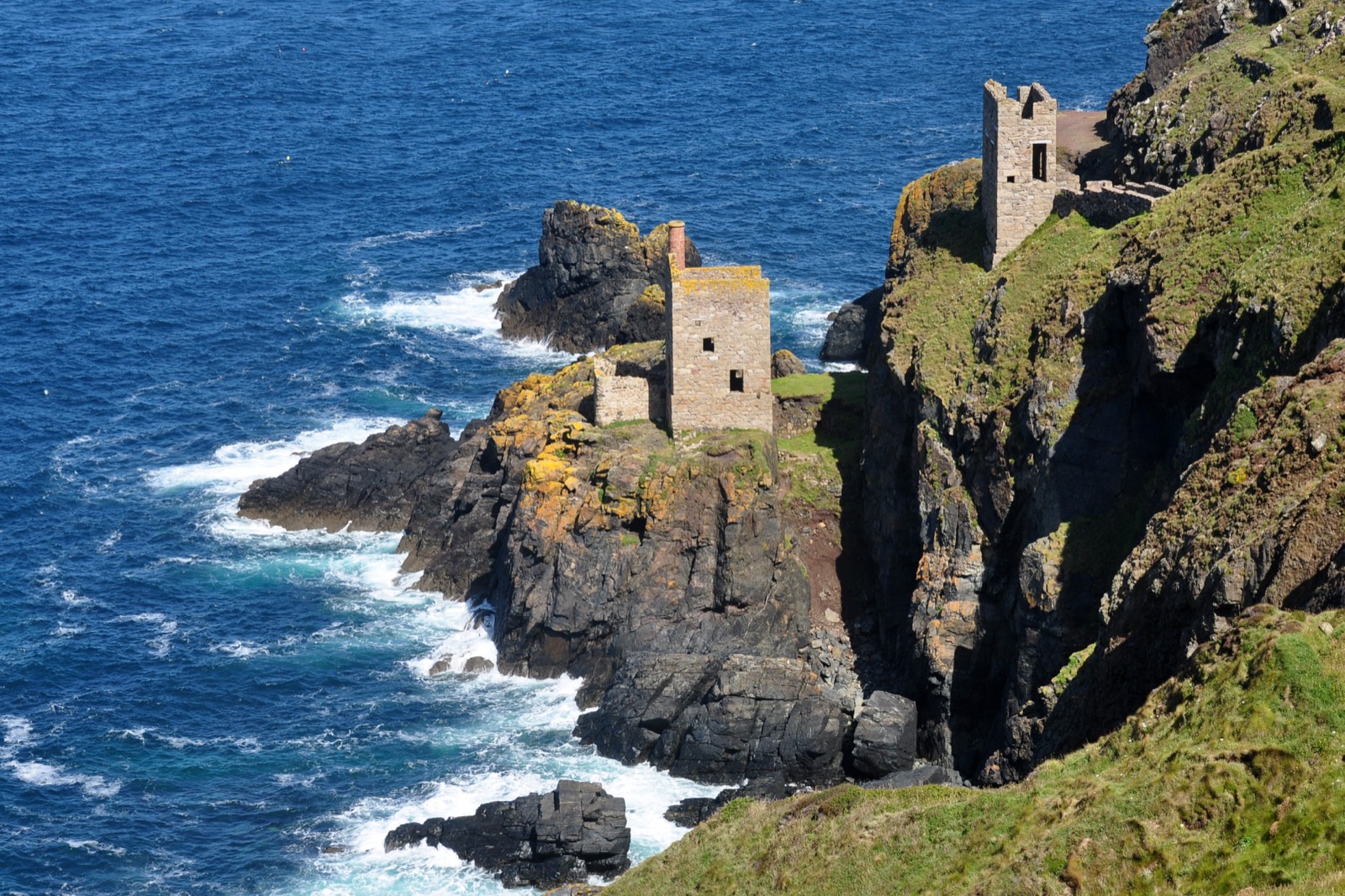
If you only read one page, read the offshore tin guide: it is the one that ties the mines, the seabed and the licensing rules together. 8 guides, 125 sources, last checked 21 October 2026.
Common questions
Browse by topic
Cornish tin
How Cornwall became a tin country: its mines, engine houses, stream works and stannary law, and what is left of them today.
2 guidesTin from the sea
Where tin on the sea floor comes from, what cassiterite and placer deposits are, how seabed sand is dredged and surveyed, and where in the world offshore tin is mined.
1 guideDeep-sea mining
What deep-sea mining is, the minerals involved, how the International Seabed Authority and UNCLOS govern the international seabed, and where the mining code stands.
2 guidesUK marine licensing
How UK marine licensing works: the MMO and the devolved regulators, the Crown Estate as seabed landowner, the Marine and Coastal Access Act, fees, impact assessments and protected sites.
2 guidesWhat tin is for
What tin is used for, from electronics solder and tinplate cans to bronze and pewter, with facts on world production, price, recycling and supply risk.
1 guideStart here
UK marine licensing
UK Marine Licence Explained: Who Needs One, Who Grants It and What It Costs
How a UK marine licence works: the activities that need one, the MMO and the other regulators, the application steps, fees, conditions, appeals and penalties.
UK marine licensing
Marine Management Organisation (MMO): Role, Leadership and When You Need a Licence
What the Marine Management Organisation does: marine licensing, fisheries, marine planning and conservation byelaws, who runs it, and when you need its licence.
Cornish tin
Cornish Tin Mining History: From the Bronze Age to South Crofty and After
How Cornish tin mining began, boomed and ended: granite geology, stannary law, steam pumping, the deepest mines, emigration, the 1998 closure and what remains.
Deep-sea mining
International Seabed Authority (ISA): What It Does, Who Belongs and How It Is Funded
What the International Seabed Authority does, how its organs work, its 172 members, exploration contracts, funding and draft mining rules.
Tin from the sea
Offshore Tin in Cornwall: Is Anyone Dredging the Seabed, and What Would It Do?
Is tin being dredged off Cornwall? What seabed tin is, whether a licence application is open, what dredging does and how the public can comment.
Cornish tin
South Crofty Tin Mine: Closure, Ownership, Depth and the Reopening Work
South Crofty at Pool, Cornwall: why the last Cornish tin mine closed in 1998, who owns it, how deep it goes, and the dated state of the reopening work.
How the guides are checked
Licences, fees, treaties and statutes come from government and treaty-body pages: gov.uk, the Marine Management Organisation, legislation.gov.uk, the International Seabed Authority and the United Nations. Each guide shows when it was last checked, and each source shows the day it was read. Prices and production figures carry their year.
This is an explainer, not an operator or a lobby. It sells nothing, takes no sponsor and gives no investment advice.
Image credits
- The Crowns engine houses at Botallack — Nilfanion, CC BY-SA 3.0, via Wikimedia Commons
